




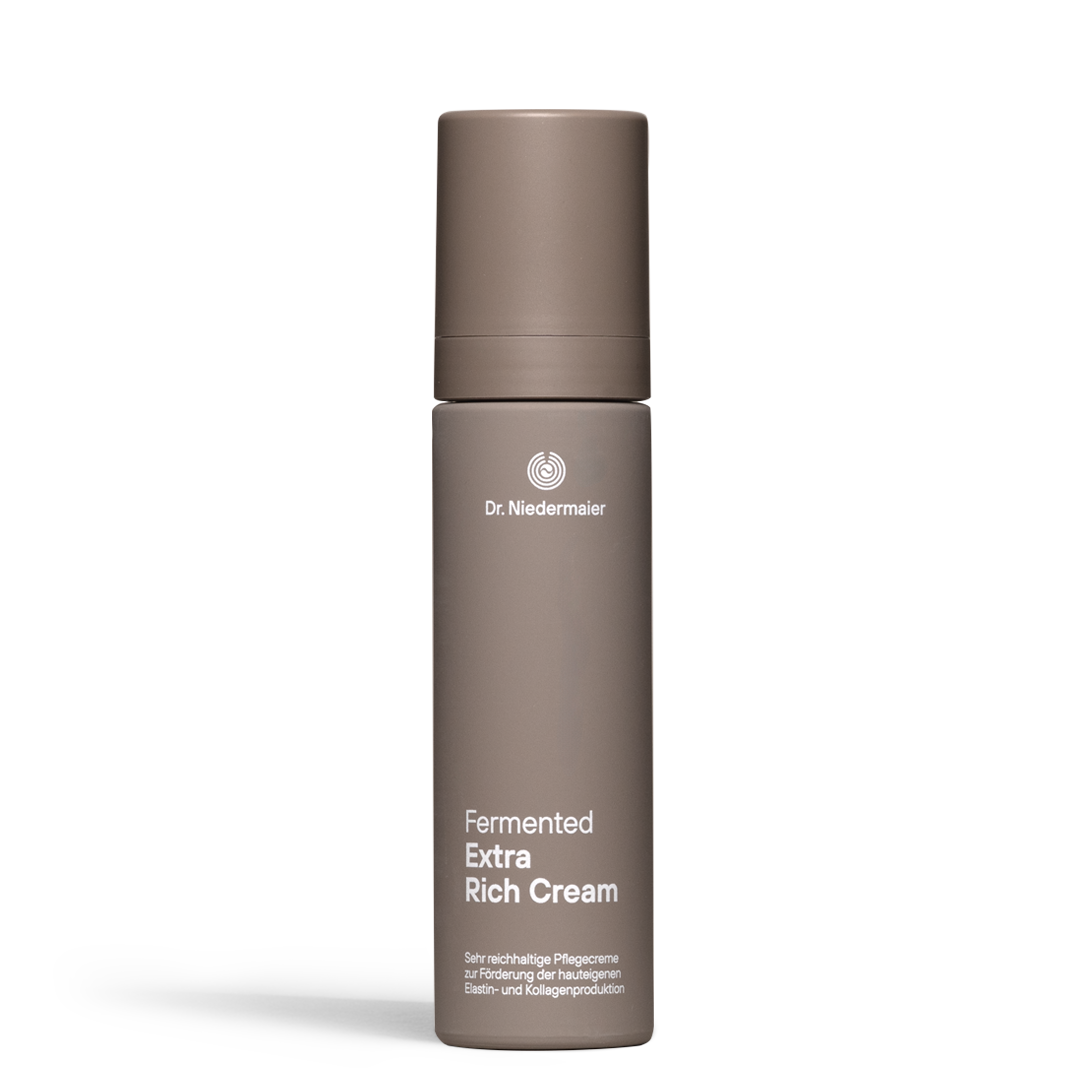
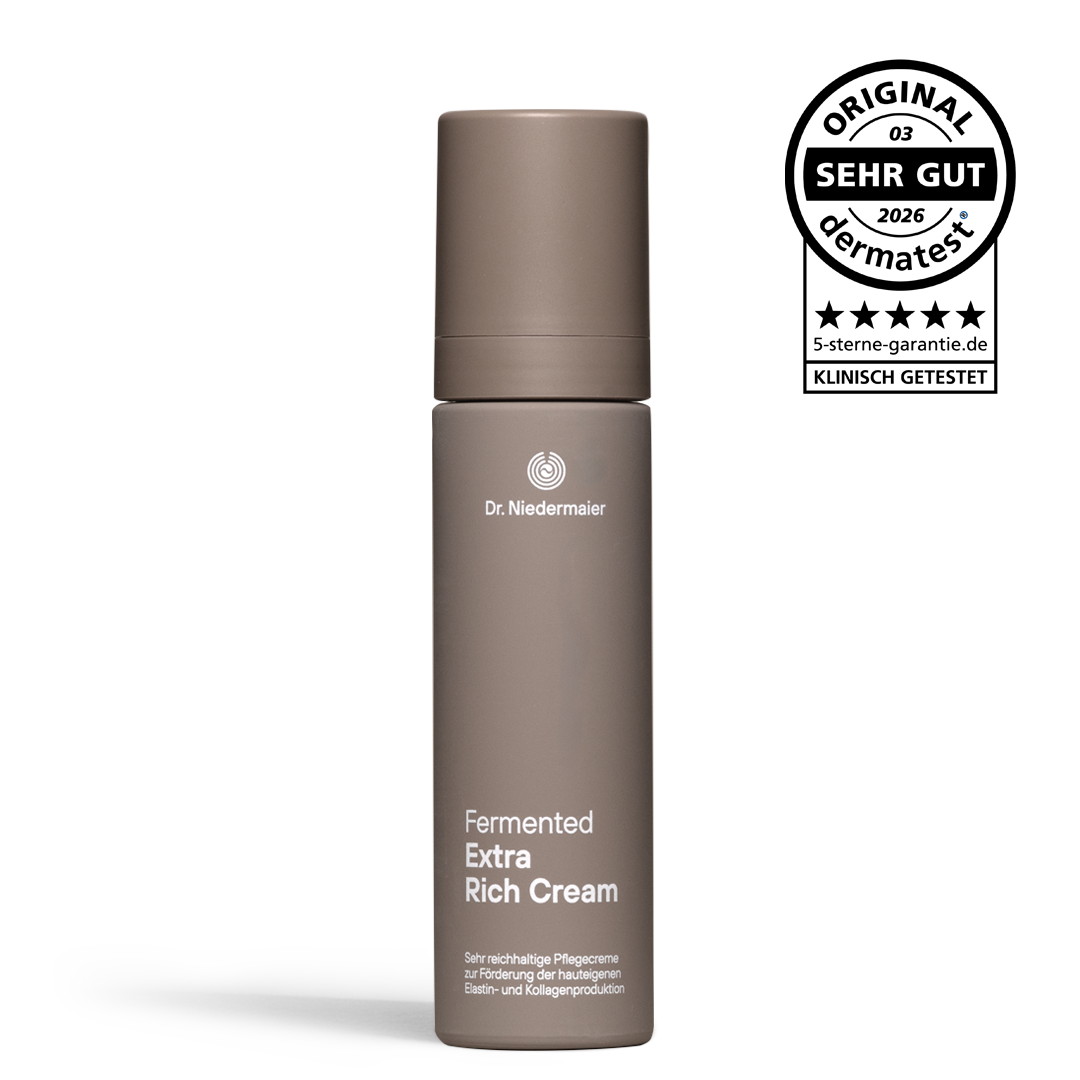
Fermented Extra Rich Cream
Anti-wrinkle cream with 20% pre- and postbiotic complex – for intensive care


Fermented Extra Rich Cream
Anti-wrinkle cream with 20% pre- and postbiotic complex – for intensive care
- Regular price
-
60,91 € - Regular price
-
- Sale price
-
60,91 €
A purifying, smoothing facial toner to complete your daily cleansing routine. It leads to immediate skin cell repair and actively maintains the skin's acid mantle. For all skin types.
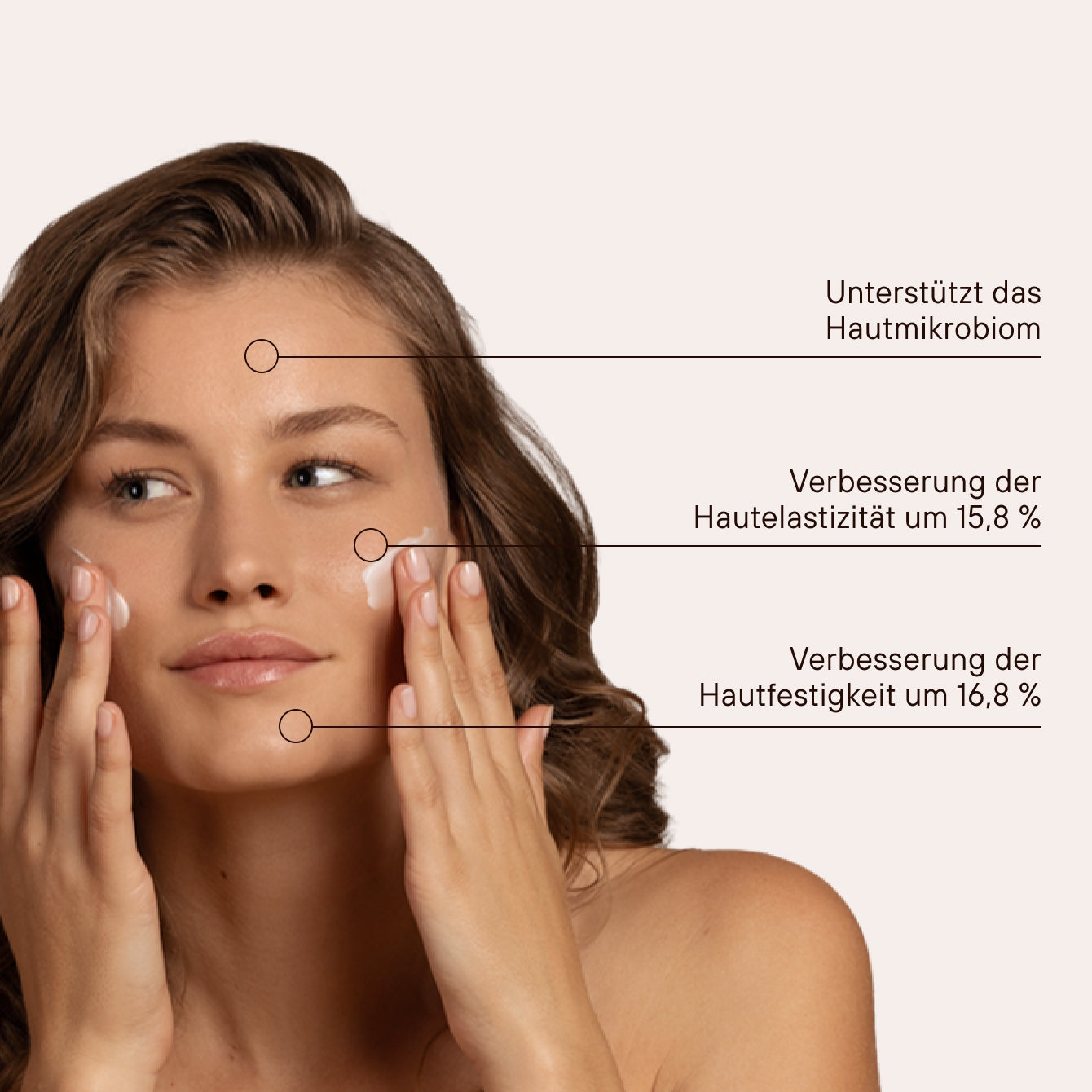
Dermatest: 5 stars (Very good) Supports the skin microbiome Stimulates the skin's own collagen and elastin production Harmonizes hormonally induced skin changes
Couldn't load pickup availability
In stock: 2–4 business days 30-day money-back guarantee*
Why use Fermented Extra Rich Cream?
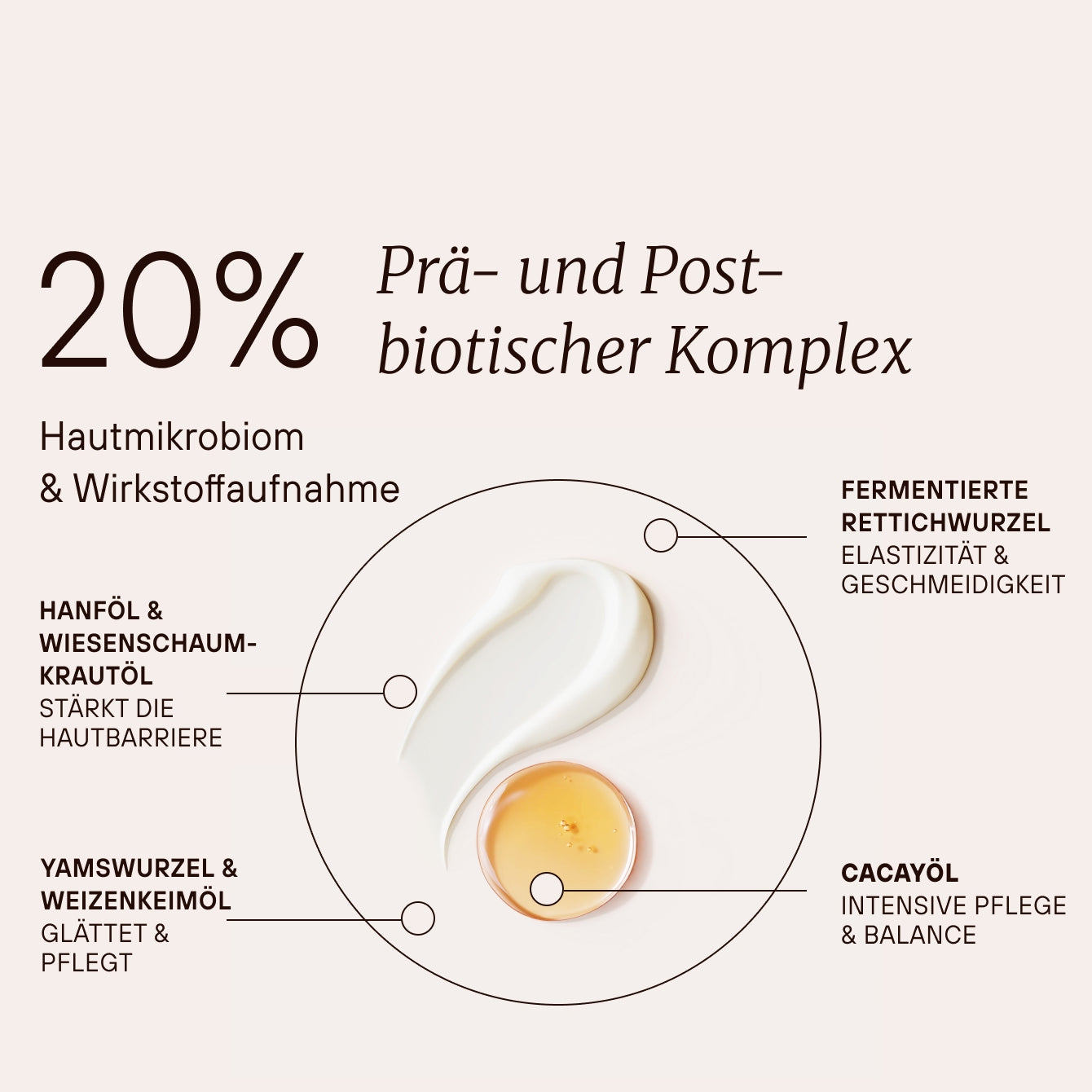
For days when your skin craves extra care, the Fermented Extra Rich Cream is the most intensive treatment in the Fermented Skincare line. With 20% fermented Regulatessenz®, organic hemp oil, cacay oil, and fermented radish root, it specifically supports elastin and collagen production. Since our skin needs more care, especially during the colder months, the Extra Rich Cream is the perfect companion when it’s cold and damp outside. Ideal for demanding, mature, or dry skin.
Key active ingredients:
-
Pre- and postbiotic complex with inulin and 20% fermented Regulatessenz®: supports a balanced, healthy skin microbiome and deeply hydrated skin layers
-
Organic hemp oil & meadowfoam seed oil: strengthening and regenerative
-
Yam root & wheat germ oil: hormone-balancing and smoothing
-
Cacay oil: regulates dry, oily, or blemish-prone skin
-
Fermented radish root: supports youthful elasticity and smoothness of the skin
Dermatest results: After 4 weeks, a significant improvement in skin elasticity of an average of 15.8% and a significant improvement in skin firmness of an average of 16.8% were observed (measured with a Cutometer, 20 participants).
Rating: 5 stars for skin tolerance (Excellent)
For skin that needs more. And gets more.
Fermented Regulatessenz® for the skin – what is it all about?
Application


When the natural balance is disrupted

Influencing factors
- UV radiation, stress, hormones and other external and internal factors can put a strain on the skin barrier and microbiome.
- An impaired skin barrier can increase transepidermal water loss (TEWL), making the skin drier and more sensitive.
- Changes in the composition and function of the skin microbiome can be associated with inflammatory processes and skin concerns such as acne.
Possible consequences
- Less stable barrier function: Dryness, feelings of tightness and increased sensitivity
- Altered microbial balance: The skin’s natural homeostasis may be impaired
Strong skin begins with an intact skin barrier.
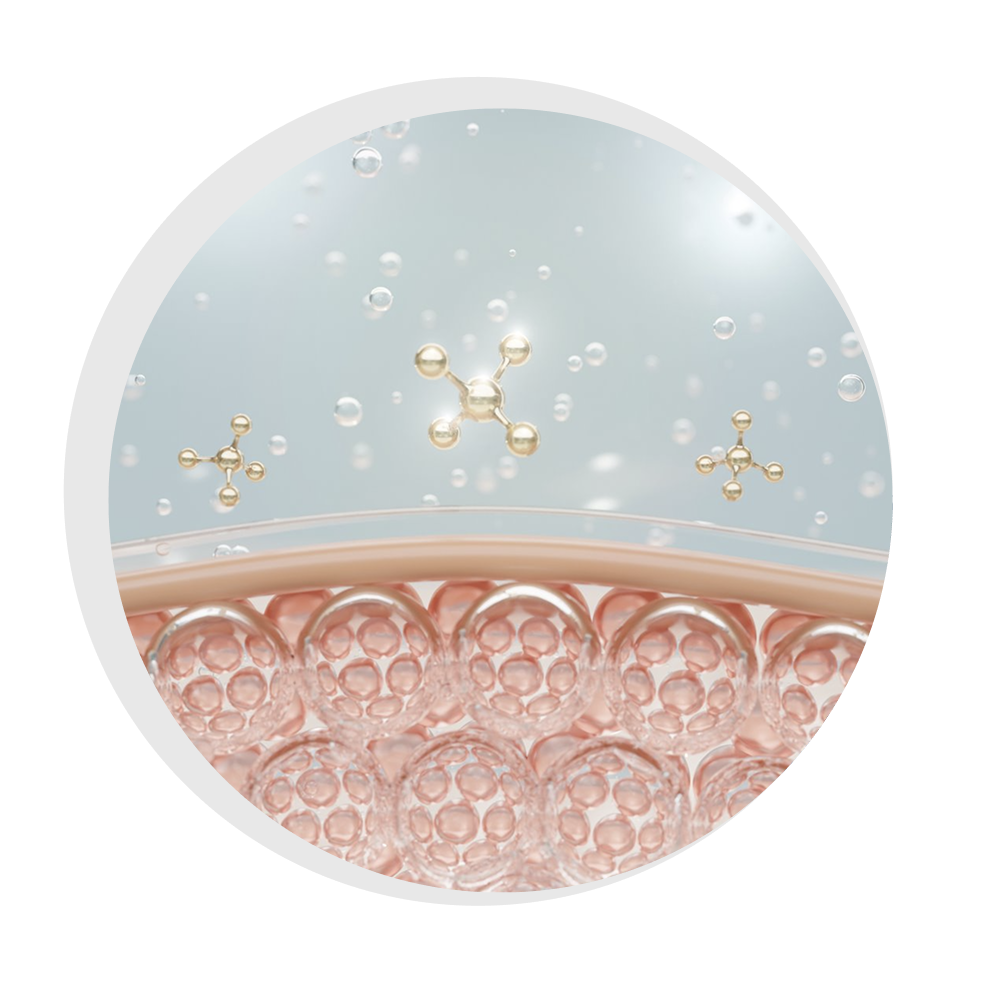
The outermost layer of the skin and the microbiome work together to form the skin’s natural protective function.
The stratum corneum protects the skin from moisture loss and external influences. Its lipid matrix consists primarily of ceramides, cholesterol and free fatty acids.
At the same time, the microbiome supports the skin’s balance and barrier function.
Our fermented active ingredients target these very functions: They support the skin’s natural processes and help maintain its resilience.
The gut-skin axis
The gut microbiome is in constant communication with the immune system and can influence the skin through various signaling pathways. Changes in the microbial balance have been associated with different skin conditions.
Diet and lifestyle play an important role in this: A diverse, fiber-rich diet can support the diversity and function of the gut microbiome. Pre-, pro- and postbiotics are also being studied for their potential to specifically influence the microbiome.
Supporting the skin from within and from the outside therefore means taking a holistic approach to its natural protective mechanisms.

Dr. Niedermaier Fermented Skincare
- Holistic, nature-based approach
- Fermented Regulatessenz®: Fermentation of 17 fresh, unprocessed ingredients (fruits, vegetables, nuts)
- Multi-stage fermentation cascade for maximum diversity of active ingredients (Regulatessenz®)
- Contains the complete biological spectrum of fermentation
Other providers
- Reduced focus on active ingredients
- Often only a single substance is fermented (e.g. algae)
- Simple fermentation-derived ingredients with limited effects
- Usually limited nutrient complexity
FAQs
What makes Dr. Niedermaier’s fermented skincare special?
The Fermented Skincare line is based on 20% fermented Regulatessenz® – an elixir made from 17 natural ingredients such as artichokes, pomegranate, dates, mung bean sprouts and coconut. Through a patented fermentation process, the released bioactive micronutrients can penetrate particularly deeply into the skin. This means the skincare not only supports the skin’s surface, but also promotes regeneration at deeper levels – holistically and naturally. Each skincare cream is additionally enriched with high-quality organic oils and active ingredients with scientifically studied efficacy. As a system-based skincare range, all products differ in their mechanisms of action and textures while being perfectly coordinated with one another.
Why is fermented cosmetics so effective?
Fermentation breaks down active ingredients into smaller molecules. This allows them to penetrate the skin more effectively and exert their effects. Fermented Skincare harnesses the full biological spectrum of fermented plant-based ingredients – supporting enhanced absorption, naturally strengthening the microbiome and promoting deep regeneration of the skin barrier.
What exactly is the skin microbiome?
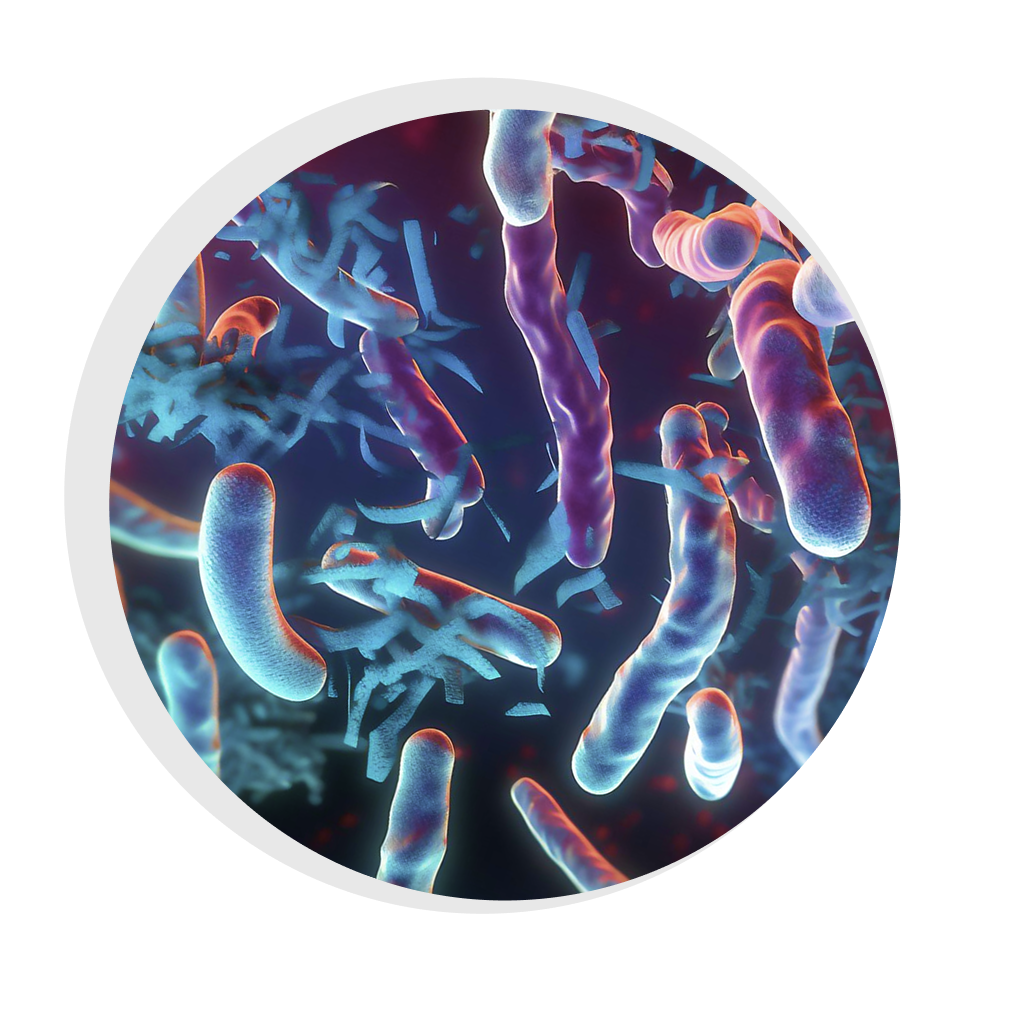
The skin microbiome is located on the outermost layer of the skin, the stratum corneum, also known as the horny layer. It consists of a natural protective film made up of beneficial bacteria, viruses and fungi. Together with the stratum corneum, it forms the skin barrier – our first line of defense against external influences such as pollutants, pathogens and free radicals.
For which skin types is fermented skincare suitable?
The line was developed for all skin types – including sensitive, mature, or stressed skin. Thanks to pre- and postbiotic active ingredients, it helps strengthen the natural balance of the skin microbiome.
Can I use the products in the morning and evening?
Yes! The products are formulated to be ideally integrated into your daily skincare routine:
Example routine:
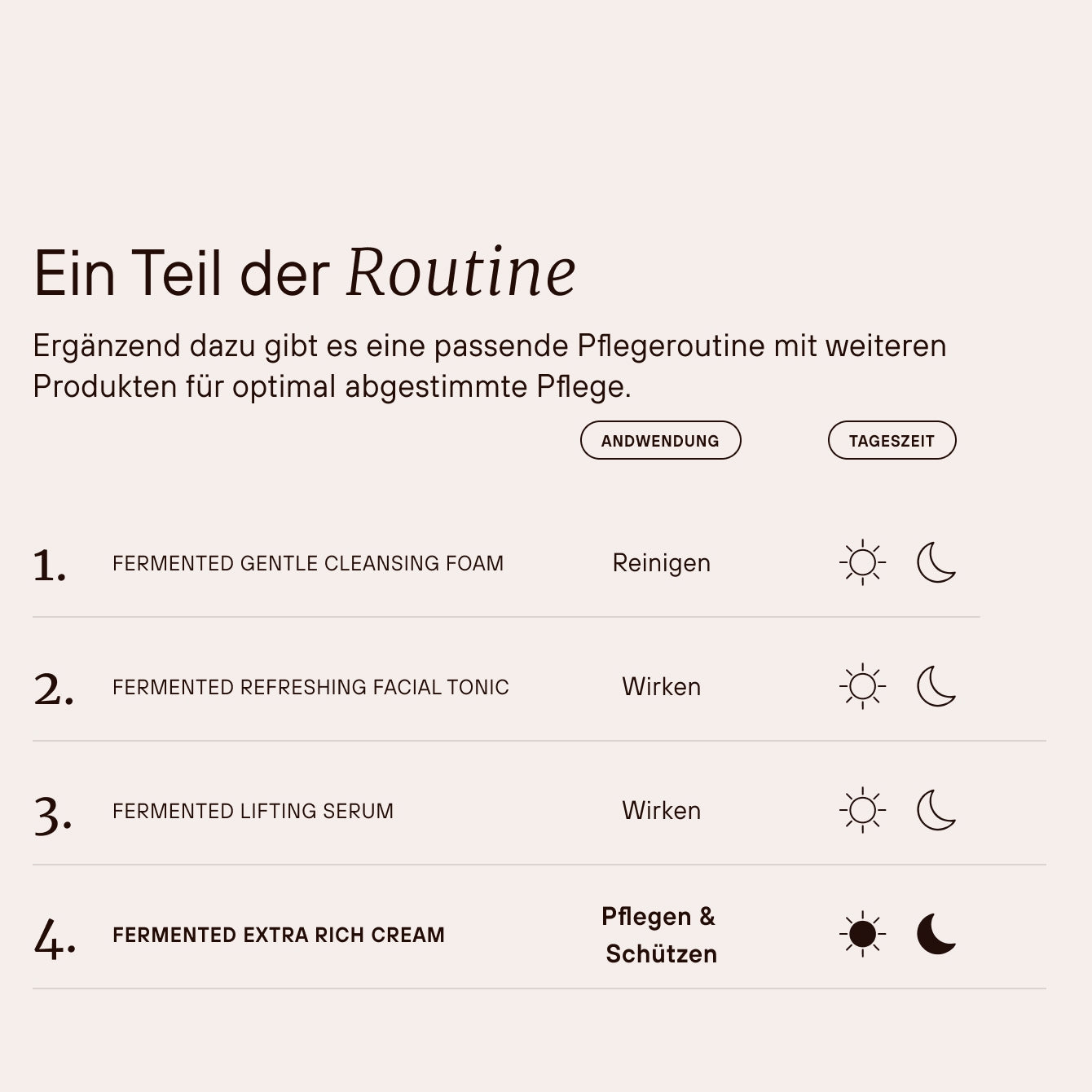
- Morning: Cleansing Foam → Facial Tonic → Lifting Serum → Eye Cream → Day Cream optional: Extra Rich Cream
- Evening: Cleansing Foam → Facial Tonic → Lifting Serum -> Night Cream
How long does fermented skincare last after opening?
All products in the Fermented Skincare range have a shelf life of 6 months after opening. Thanks to high-quality formulations and an innovative airless dispenser, the active ingredients remain optimally protected—right down to the last pump.
Are the products free from concerning ingredients?
Yes. All Fermented Skincare products are:
- Free from PEGs, parabens, silicones, mineral oils, colorants, and preservatives
- Vegetarian & certified according to international natural cosmetics standards
- Dermatologically tested for skin compatibility
How sustainable is the packaging?
The packaging was developed with environmental friendliness in mind:
- 95% recycled content in the outer packaging
- Glass dispenser with squeeze inner pouch for complete product extraction
-
Easy separation of glass and plastic for optimal recycling
This is how we combine effectiveness with responsibility.
Information on the authenticity of customer reviews
Magnesium as well as vitamins B1, B2, B3, B6, B12, biotin and vitamin C contribute to the normal functioning of the nervous system. Magnesium, folic acid as well as vitamins B1, B3, B6, B12, biotin and vitamin C contribute to normal psychological function.
Magnesium and vitamins B2, B3, B5, B6 and B12 contribute to the reduction of tiredness and fatigue. Vitamin B1 contributes to normal heart function. Vitamin D, zinc and selenium contribute to the normal function of the immune system. Vitamin B2, zinc, manganese and selenium contribute to the protection of cells from oxidative stress.


